Smart analytics, automated processes and applications beyond the erstwhile realm of security pose challenges to integrators and consutlants who need to ensure that real-word deployments live up to what vendors promise
AI analytics and cloud architectures open up new opportunities to security players across the board, from vendors to consultants, integrators, dealers and end users.
Smart analytics, automated processes and applications beyond the erstwhile realm of security, however, also pose challenges to those who need to ensure that real-word deployments live up to what vendors promise. After all, the promise of efficiency gains, made by vendors and platform players, comes with the responsibility that end users can really benefit from them, as well as the responsibility toward channel partners that they are equipped in the best possible way to implement and maintain the latest security systems.
As a leader in enterprise physical security software, Genetec is taking this responsibility seriously. We talked to Lee Shelford, Sales Engineering Manager and Cloud Lead APAC at Genetec, about ever-changing requirements in the security channel and how it is addressing them through its Consultant, Designer, and Engineer (CDE) program.
asmag: With AI and cloud solutions becoming mainstream, the security industry is seeing significant changes. The specific changes to what channel players need to deliver to make systems work are flying under the radar in this regard. What are the most important developments you see among your channel partners?
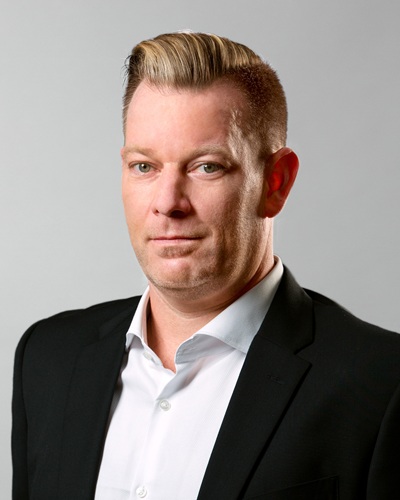 Lee Shelford,
Sales Engineering Manager and Cloud Lead APAC,
Genetec
Lee Shelford: AI and cloud technologies are reshaping physical security, but the biggest shift we're seeing is channel partners evolving from technology providers to trusted advisors. As customers navigate increasingly complex environments that combine existing infrastructure, cloud services, cybersecurity requirements, and growing volumes of data, they rely on partners to help them make informed architectural decisions and build strategies that support their long-term goals.
While AI remains one of the industry's most talked-about technologies, customers ultimately care about outcomes. The partners delivering the most value are those who can improve efficiency, accelerate investigations, strengthen situational awareness, and reduce complexity.
asmag: Do you see new roles emerging in the security channel, or at least a shift in the importance of different roles? What impact does the increasing convergence of physical security with other fields have, such as cybersecurity?
Lee Shelford: The convergence of physical security, cybersecurity, and IT has been underway for years, and it's reshaping the skills organizations need. Rather than creating entirely new roles, we're seeing existing roles evolve, with physical security professionals expected to understand cybersecurity, privacy, data governance, and network architecture, while IT teams play a greater role in security decisions.
As a result, there's growing demand for professionals who can bridge these disciplines and help organizations manage risk holistically. As physical security systems become part of the broader IT environment, the ability to balance security, resilience, compliance, and long-term maintainability is becoming increasingly valuable.
asmag: Genetec is best known for its unified platform approach. How does planning, designing and engineering a unified system differ from setting up hardware-focused, insular systems, as was common across the industry previously? For professionals who primarily have experience working on the latter, what do they have to learn to keep up? What do they have to unlearn?
Lee Shelford: Traditional physical security deployments often relied on separate systems connected through integrations, creating data silos and operational complexity. A unified platform brings video, access control, ALPR, communications, and other systems together on a common foundation, enabling better visibility, more efficient workflows, and faster decision-making.
For security professionals, the key isn't unlearning existing skills but expanding them. As physical security becomes more closely aligned with IT and cybersecurity, understanding how systems, data, and workflows work together across the broader environment is becoming just as important as understanding the devices themselves.
asmag: Genetec has been running the Consultants, Designers, and Engineers (CDE) Program successfully for many years. Where does it sit within the company’s partner program? What benefits does it bring to professionals who already have experience working with Genetec solutions, as well as for those who are new to the company’s portfolio?
Lee Shelford: The go-to-market strategy of Genetec is via accredited channel partners. The Consultant Designer Engineer Program complements the work of channel partners by equipping consultants, designers, and engineers with training, technical resources, and industry insights. For experienced participants, the program provides ongoing education on emerging technologies and trends as evident in the annual Genetec State of the Industry Report. Those new to the company’s portfolio, gain the tools, training and guidance to design and develop specifications with confidence.
asmag: The value of security consultants usually rests on being vendor-agnostic. How that value be preserved even though consultants also rely on close relationships with vendors, for example for training programs?
Lee Shelford: Strong vendor relationships don't compromise independence. In fact, access to training, technical expertise, and market insights helps consultants stay informed and make better recommendations. Ultimately, consultants are responsible for selecting the solutions that best meet their clients' needs.
By providing accurate, up-to-date information, vendors help consultants evaluate options objectively, understand trade-offs, and make more informed decisions while remaining vendor-agnostic.
asmag: Skills are one important element of training programs, certificates are another. The CDE Program gives professionals a pathway to a number of vendor-neutral credentials like ASIS's CPP and PSP, or BICSI's RCDD. Why does Genetec anchor its own program to outside credentials rather than building a self-contained Genetec certification? How much weight do vendor-specific certifications carry with end customers or employers, compared to vendor-neutral ones?
Lee Shelford: Genetec does offer technical certification on its products, as do most other physical security software manufacturers. However, Vendor-neutral credentials and vendor-specific certifications serve different but complementary purposes. Credentials such as CPP, PSP, and RCDD are highly sought-after by consultants, designers and engineers as they validate broad expertise in security principles, risk management, and system design, while vendor-specific training provides deeper knowledge of individual technologies.
For consultants, designers, and engineers, that broader perspective is especially valuable because their role extends beyond any single vendor. We believe the strongest professionals combine both, using vendor-neutral credentials as a foundation and vendor-specific training to apply that knowledge in real-world deployments.
asmag: Software platforms iterate much faster than hardware refresh cycles. This raises the bar on training programs. How can programs keep up these days? How can programs teach skills for fields that are just emerging or constantly changing, such as agentic AI?
Lee Shelford: Technology evolves faster than ever, so training programs like the Consultant Designer Engineer program at Genetec, must focus on more than just products and features. Continuous learning is essential in a rapidly evolving industry. The goal isn't just to teach today's technologies, but to help professionals evaluate and apply new ones responsibly.
Whether it's AI, cybersecurity, or cloud technologies, training programs should focus on core principles such as governance, privacy, architecture, and operational impact. Technologies will continue to change, but critical thinking and informed decision-making remain the skills that help professionals adapt and succeed.