High security has become a defining requirement for governments, critical infrastructure, and organizations operating in sensitive environments.
High security has become a defining requirement for governments, critical infrastructure, and organizations operating in sensitive environments. As cyber threats grow more sophisticated and geopolitical pressures continue to shift, the expectations placed on security manufacturers are rising just as quickly.
Today, these providers are trusted with more than just protecting assets. They play a key role in safeguarding national interests, supporting essential services, and maintaining public confidence.
Meeting compliance standards is only part of the equation. The real challenge lies in building security into every stage of design, development, and delivery.
Beyond compliance
Governments around the world have established strict frameworks to evaluate security technologies. These standards are essential, particularly for environments where risk
tolerance is low, and consequences are high.
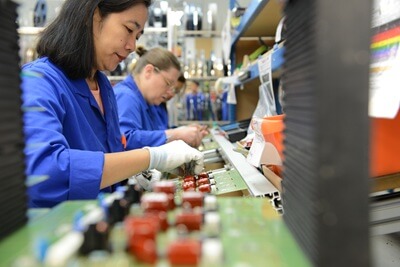
However, compliance alone does not guarantee resilience. True high security manufacturing requires a deeper commitment. It calls for a culture where security is embedded into processes, decision-making, and long-term strategy.
Organizations that take this approach are better equipped to respond to emerging threats, adapt to changing regulations, and maintain trust with their customers.
The hidden risks in global supply chains
Modern security systems are rarely produced in isolation. They depend on complex global supply chains that involve multiple suppliers, manufacturers, and distribution channels.
Each of these touchpoints introduces potential risks. From component sourcing to final delivery, there are opportunities for compromise that are often difficult to detect.
For government buyers, these risks are amplified. Procurement decisions must account for national security priorities, evolving geopolitical tensions, and strict regulatory requirements. The result is a much higher bar for vendor selection.

Only a small number of manufacturers are able to meet these expectations consistently.
Why control matters
One way leading manufacturers address these challenges is through greater control over their production processes. Vertical integration plays an important role here.
By designing, engineering, and manufacturing solutions within a single environment, organizations can reduce reliance on third parties and limit exposure to supply chain vulnerabilities. This approach also allows for tighter quality control and greater transparency across the entire lifecycle of a product.
It creates conditions for faster innovation as well. When development and production sit side by side, new capabilities can be brought to market more efficiently and with greater confidence.
This level of control is becoming an important differentiator, particularly for customers operating in high security environments.
Designing for real-world demands
High security solutions must perform in environments where requirements are both complex and constantly evolving. This includes everything from government office buildings to military facilities and critical infrastructure sites.
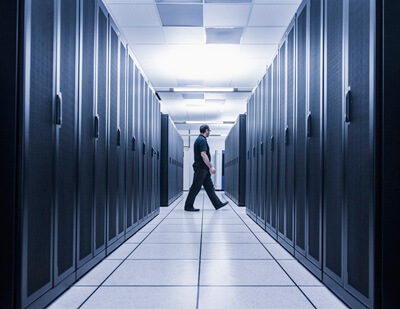
To meet these demands, manufacturers need a deep understanding of regional requirements and operational realities. This often involves close collaboration with government agencies and standards bodies, ensuring that solutions remain aligned with current policies and emerging threats.
The result is a more tailored approach to security. Systems are not just designed to meet standards, but to function effectively in the environments they are intended to protect.
Meeting the highest global standards
Some of the most stringent requirements in the world come from alliances such as the Five Eyes, which includes the United States, the United Kingdom, Canada, Australia, and New Zealand.

Solutions deployed in these environments must undergo rigorous testing to demonstrate their ability to withstand both physical and cyber threats. Achieving compliance at this level signals a high degree of maturity and capability.
This includes alignment with a wide range of international certifications and frameworks covering everything from encryption and identity management to physical intrusion detection and system resilience.
For end users, this provides assurance that systems have been tested against some of the most demanding requirements in the world.
Cybersecurity as a foundation
Physical security can no longer be considered in isolation. As systems become more connected, cybersecurity plays an equally important role in protecting critical assets.
This requires a proactive approach. Security must be designed into both hardware and software, supported by continuous testing, regular updates, and clear processes for identifying and addressing vulnerabilities.
Some manufacturers are going further by investing heavily in cybersecurity research, conducting ongoing internal and external testing, and maintaining transparency around vulnerabilities. These practices help build trust and ensure systems remain resilient over time.
A higher standard of trust
As expectations continue to rise, the definition of a high security manufacturer is evolving. It is no longer enough to deliver reliable products or meet baseline requirements.
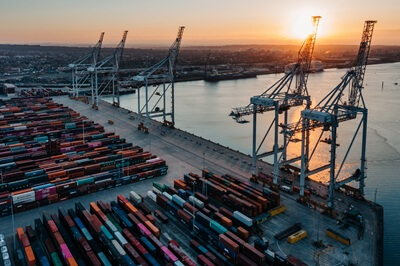
Customers are looking for partners who can provide end-to-end assurance. This includes visibility into how solutions are built, confidence in how they are secured, and flexibility to adapt as needs change.
Gallagher Security is one example of a manufacturer taking this approach. With a strong focus on vertical integration, global compliance, and cybersecurity, they have built a reputation for supporting some of the world’s most sensitive sites.
Ultimately, the organizations that will stand out are those that treat security as a continuous discipline rather than a fixed outcome. In high security environments, that mindset makes all the difference.
Download the full whitepaper to explore what it takes to meet the highest standards in high security manufacturing.